
By Ben Wright (@Iamzavagno | www.xgeeks.co.uk)
This review is spoiler-free.
Synopsis:
Set in a quietly unremarkable British town where life ambles along at its usual pace, Small Prophets follows a group of seemingly ordinary people who find themselves brushing up against something quietly miraculous. What begins as a gentle character study gradually unfurls into something far more surprising, weaving small-town routines with flickers of the divine. It is a story about friendship, grief, belief and the strange, beautiful possibility that the extraordinary might be hiding in plain sight.
I truly had no idea what to expect going into this show. I had little to no knowledge about it, other than that it was another series created by Mackenzie Crook. I absolutely loved Detectorists, which remains one of the most quietly exceptional pieces of British television in recent years. One thing Crook consistently excels at is crafting unique, deeply human characters and placing them inside wonderfully constructed narratives that feel both intimate and expansive.
As the first episode of Small Prophets ended, I was completely hooked. Genuinely. I did not see where it was heading, and that sense of narrative boldness only intensified as the episodes unfolded. I ended up binging all five in one sitting because I simply could not get enough. Each chapter added a new layer, not just to the plot but to the emotional depth of the characters.
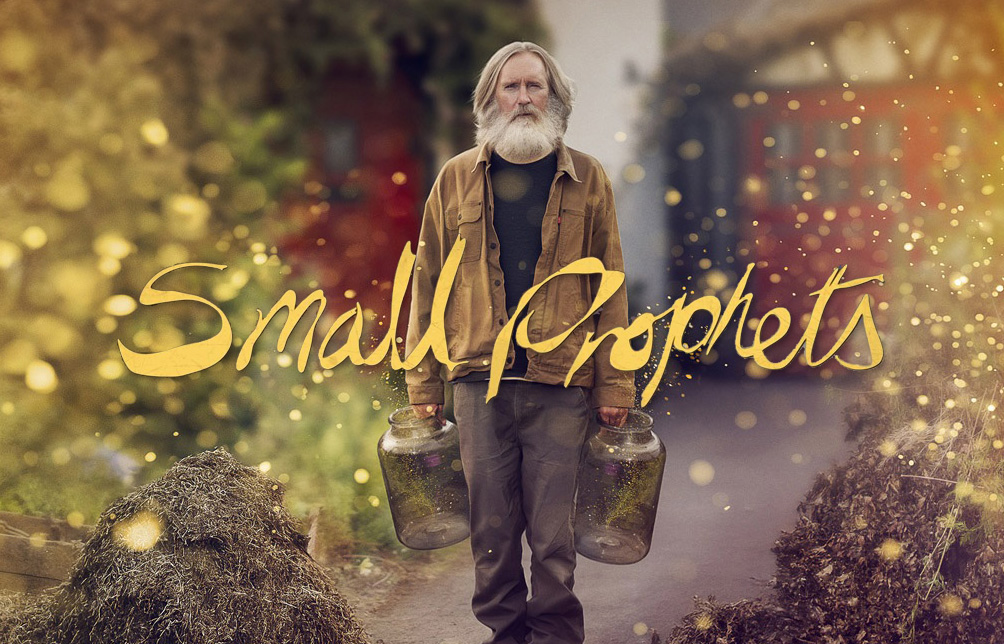
One of the most refreshing aspects of the series is its portrayal of gentle masculinity, embodied most clearly in the central character, whose unorthodox kindness is at the very heart of the story. In a television landscape often cluttered with toxic bravado and performative aggression, Small Prophets offers something far more nourishing. Yes, there are more abrasive, toxic figures on display, but they are never glorified. Instead, they serve as a deliberate contrast, highlighting just how much richer, healthier and ultimately happier a life rooted in gentleness can be. The male characters are allowed to be vulnerable, tender and uncertain. Their strength lies in empathy rather than dominance. It is subtle, never preachy, but deeply affecting. This sort of representation matters, it normalises softness, compassion and a quieter, more resilient way of being.
What makes the show feel truly unique is its seamless blend of the everyday mundane with the fantastical. The familiar setting grounds you, while the fantastical elements lift the story into something luminous. That balance feels authentic rather than gimmicky, and it keeps you invested in every single episode.
The writing is purposeful and exquisitely controlled. Crook has a gift for stillness, for allowing moments to breathe. The humour is dry, occasionally hysterical, and always perfectly timed. Yet just when you are laughing, the show pivots gently towards something more emotional. There is a comforting, almost soothing quality underpinning everything. Watching it felt like sitting in front of a warm fire, cosy and safe, even when the story ventured into heavier territory.
The series explores love and loss with remarkable tenderness. It never shies away from grief or trauma, but it also refuses to wallow. Instead, it leans towards hope and renewal. There is a quiet insistence that even after heartbreak, something meaningful can grow again. That emotional generosity lingers long after the credits roll.
Performance-wise, the cast are exceptional across the board. Pearce Quigley is sublime, delivering every line with impeccable precision. Whether navigating dry comedic exchanges or moments of genuine emotional weight, he is utterly captivating. Lauren Patel feels very much on the rise. She brings a playful sharpness that perfectly offsets Quigley’s energy, and their chemistry is effortless and authentic.
Paul Kaye, as ever, delivers something layered and nuanced. His character could easily have slipped into caricature, yet he avoids anything generic. There is depth and contradiction in his performance that elevates the material. Sophie Willan and Jon Pointing are wonderful additions to the ensemble, each bringing their own distinctive spark. And then there is Michael Palin, whose presence feels like a small stroke of genius. He is, quite simply, the cherry on top.
Small Prophets combines magic and mundanity with warmth, emotional intelligence and genuine humour. It is a reflection on love, loss, trauma and hope, told through beautifully drawn characters and understated performances. It manages to be hilarious and heartfelt, fantastical yet grounded. Above all, it feels kind. And in the current television landscape, that quiet kindness might just be its greatest strength.
 X-Geeks